
Tulsi/Holy Basil: Sacred Herb for Mind and Body
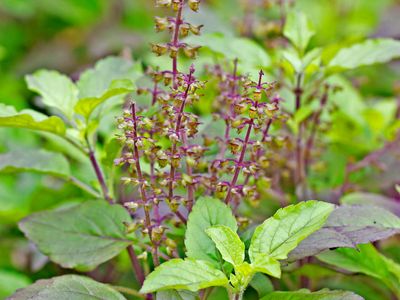
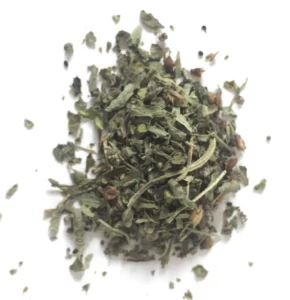
2. Scientific & Local Names
Scientific Name: Ocimum tenuiflorum (L.) or Ocimum sanctum (L.)
Botanical Classification:
- Family: Lamiaceae (Mint family)
- Genus: Ocimum
- Species: tenuiflorum (most common) / sanctum
Regional & Local Names:
- Sanskrit: Tulasi, Surasa, Devdundubhi, Ajaka, Sulabha
- Hindi: Tulsi, Tulasi, Vrinda
- English: Holy Basil, Sacred Basil, Indian Basil
- Marathi: Tulas, Tulsa
- Telugu: Tulasi, Gaggera Chettu
- Tamil: Tulasi, Thulasi, Tiruthuzhai
- Gujarati: Tulsi, Tunas
- Bengali: Tulsi Pata
- Malayalam: Tulasi, Trittavu
- Kannada: Tulasi Soppu, Shri Tulasi
- Oriya: Tulasi
- Punjabi: Tulsi
- Nepali: Tulsi
- Thai: Kra Pao, Horapha
- Indonesian: Selasih, Ruku-ruku
3. Brief Introduction – Historical Significance in Ayurveda
Tulsi, revered as the “Queen of Herbs” in Ayurveda, holds an unparalleled position in Indian traditional medicine and spiritual practices. For over 5,000 years, this sacred plant has been worshipped as a manifestation of the Hindu goddess Lakshmi and is considered one of the most potent healing plants in Ayurvedic pharmacology.
In ancient Ayurvedic texts including the Charaka Samhita, Sushruta Samhita, and various Puranas, Tulsi is classified as a supreme Rasayana (rejuvenative tonic) and is described as capable of promoting longevity, enhancing mental clarity, and providing spiritual protection. The name “Tulsi” is derived from the Sanskrit word “Tulana,” meaning “to lift up” or “that which elevates,” reflecting its ability to uplift both physical health and spiritual consciousness.
Unlike many herbs that target specific conditions, Tulsi has traditionally been used as a broad-spectrum therapeutic agent. Ancient practitioners prescribed it for respiratory ailments, digestive disorders, skin conditions, stress management, and as a general immune enhancer. Every part of the plant—leaves, flowers, stems, seeds, and roots—was utilized for different therapeutic purposes.
The cultural significance of Tulsi extends beyond medicine. In traditional Indian households, Tulsi plants are grown in courtyards and worshipped daily, creating a living pharmacy that serves both spiritual and medicinal needs. This integration of sacred practice with health care exemplifies Ayurveda’s holistic approach to wellness, where physical, mental, and spiritual health are viewed as interconnected.
4. Scientific Research – Current Studies and Evidence
Modern scientific research has extensively validated many traditional uses of Tulsi, revealing its complex phytochemical profile and diverse therapeutic mechanisms.
Recent Research Highlights:
Adaptogenic and Stress-Reducing Properties: Demonstrated through in vitro, animal, and clinical trials to have anti-stress, adaptogenic, antioxidant, analgesic, anti-asthmatic, and anti-inflammatory properties. A recent randomized, double-blind, placebo-controlled trial showed significant improvements in stress management and mood regulation.
Comprehensive Therapeutic Activities: Scientific studies have shown it to possess antiinflammatory, analgesic, antipyretic, antidiabetic, hepatoprotective, hypolipidemic, antistress, and immunomodulatory activities. Research has also identified key bioactive compounds including eugenol, rosmarinic acid, and apigenin as primary therapeutic agents.
Respiratory and Immune System Support: Ocimum tenuiflorum L., commonly known as Tulsi, is an aromatic shrub in the basil family Lamiaceae that is effective against wide spectrum of diseases such as cancer, bronchitis, helmithiasis, ulcer, inflammation, and rheumatism.
Safety and Clinical Efficacy: Many in vitro, animal and human studies attest to tulsi having multiple therapeutic actions with established safety profiles in human populations.
Phytochemical Diversity: Research has identified over 100 bioactive compounds in Tulsi, including volatile oils (eugenol, linalool, methyl chavicol), phenolic compounds (rosmarinic acid, caffeic acid), flavonoids (apigenin, luteolin), and triterpenes (ursolic acid, oleanolic acid).
5. Health Benefits – Documented Uses and Effects
Primary Benefits (Strongly Evidence-Based):
1. Stress Management & Adaptogenic Effects
- Reduces cortisol levels and stress markers
- Enhances the body’s natural stress response
- Improves mental resilience and emotional balance
- Clinical studies using 400 mg morning and 800 mg evening doses for 6 weeks decreased symptoms of stress, including forgetfulness, sexual problems, exhaustion, and sleep problems
2. Respiratory Health Support
- Natural expectorant and bronchodilator effects
- Reduces symptoms of asthma, bronchitis, and coughs
- Antimicrobial activity against respiratory pathogens
- Supports healthy mucus production and clearance
3. Immune System Enhancement
- Modulates immune response and increases white blood cell activity
- Antimicrobial, antiviral, and antifungal properties
- Enhances natural killer cell activity
- Supports overall immune resilience
4. Anti-Inflammatory & Antioxidant Action
- Potent free radical scavenging activity
- Reduces inflammatory markers (TNF-α, IL-6, COX-2)
- Protects against oxidative stress damage
- Supports cellular health and longevity
5. Metabolic Health Support
- Helps maintain healthy blood sugar levels
- Supports insulin sensitivity
- May assist in cholesterol management
- Enhances metabolic function
Secondary Benefits (Moderate Evidence):
6. Cardiovascular Health
- Supports healthy blood pressure levels
- May improve circulation and heart function
- Cardioprotective effects against oxidative damage
7. Liver Protection (Hepatoprotective)
- Supports liver detoxification processes
- Protects against hepatotoxicity
- Enhances liver enzyme function
8. Cognitive Function & Mental Clarity
- Improves focus and concentration
- Supports memory function
- Enhances overall cognitive performance
- May protect against neurodegenerative conditions
9. Skin Health & Wound Healing
- Antimicrobial effects for skin infections
- Promotes wound healing and tissue repair
- Anti-aging properties for skin health
10. Digestive Support
- Carminative and digestive stimulant effects
- Reduces gastric ulcers and acidity
- Supports healthy gut microbiome
6. Dosage & Forms – How to Use Safely and Effectively
Standard Dosage Guidelines:
General Health & Wellness: Studies have reported beneficial effects of tulsi (aqueous leaf extract) taken orally at dosages ranging from 300 mg to 3,000 mg daily
Specific Conditions:
- Stress Management: 400 mg morning + 800 mg evening
- Respiratory Support: 500-1000 mg daily in divided doses
- General Tonic: 300-600 mg daily
- Acute Conditions: Up to 3000 mg daily (short-term, under guidance)
Available Forms:
1. Fresh Leaves (Traditional Form)
- Dosage: 5-10 fresh leaves daily (chewed or in tea)
- Best taken: Early morning on empty stomach
- Benefits: Highest bioavailability, traditional method
2. Dried Leaf Powder
- Dosage: 1-3 grams daily
- Best taken: Mixed with honey, warm water, or ghee
- Benefits: Concentrated, shelf-stable, versatile
3. Standardized Leaf Extract
- Dosage: 300-600 mg daily
- Standardization: Look for 2.5% eugenol content or higher
- Benefits: Consistent potency, convenient dosing
4. Tulsi Tea/Infusion
- Dosage: 1-3 cups daily
- Preparation: 1 tsp dried leaves per cup, steep 5-10 minutes
- Benefits: Gentle action, hydrating, enjoyable
5. Essential Oil (Topical Use)
- Dosage: 2-3 drops diluted in carrier oil
- Uses: Skin conditions, aromatherapy, respiratory support
- Benefits: Concentrated aromatherapy benefits
6. Liquid Extract/Tincture
- Dosage: 1-3 ml daily (follow manufacturer instructions)
- Benefits: Fast absorption, easy to adjust dosage
Timing Recommendations:
- Morning: Fresh leaves or extract for daily wellness
- With meals: Extract or powder to enhance digestion
- Evening: Tea for relaxation and stress relief
- During illness: Increased frequency for immune support
- Consistent timing: Same time daily for adaptogenic benefits
7. Pros & Cons – Benefits vs. Potential Side Effects
Pros (Benefits):
✅ Extensive Traditional Use
- Over 5,000 years of documented safe use
- Deep integration in traditional healing systems
- Spiritual and therapeutic benefits combined
✅ Broad Spectrum Therapeutic Effects
- Multiple body systems supported simultaneously
- Adaptogenic properties for overall resilience
- Both preventive and therapeutic applications
✅ Strong Scientific Validation
- Extensive research backing traditional uses
- Well-characterized phytochemical profile
- Multiple peer-reviewed clinical studies
✅ Excellent Safety Profile
- Generally safe for regular consumption and topical use
- Suitable for long-term use in most individuals
- Minimal serious adverse effects reported
✅ Multiple Consumption Methods
- Fresh, dried, extract, tea, oil forms available
- Easy to incorporate into daily routine
- Flexible dosing options
✅ Readily Available & Affordable
- Easy to grow at home
- Widely available in health stores
- Cost-effective compared to pharmaceuticals
✅ Cultural & Spiritual Benefits
- Connection to traditional practices
- Mindfulness and ritual aspects
- Holistic wellness approach
Cons (Potential Side Effects & Limitations):
❌ Possible Side Effects:
- Holy basil side effects may sometimes include nausea, vomiting, indigestion and changes in certain hormones when used for an extended period of time
- Holy basil can have side effects, such as nausea or diarrhea
- Mild drowsiness in some individuals
- Skin sensitivity with topical use (rare)
❌ Drug Interactions:
- May enhance effects of blood-thinning medications
- Potential interactions with diabetes medications
- Could affect blood pressure medications
- May interact with immunosuppressive drugs
❌ Contraindications:
- Holy basil might not be safe when taken by women who are pregnant
- Breastfeeding safety not established
- Not recommended before surgery (may affect blood clotting)
- Caution with fertility concerns (traditional use as contraceptive)
❌ Limited Long-term Studies:
- The safety of taking holy basil for longer than 8 weeks has not been studied
- Most studies are short to medium-term
- Individual variation in response not fully characterized
❌ Quality Control Issues:
- Variability in commercial preparations
- Potential for contamination or adulteration
- Inconsistent standardization between products
❌ Hormonal Effects:
- May affect reproductive hormones
- Traditional use for menstrual regulation
- Potential impact on thyroid function (needs monitoring)
8. Market Availability – Where to Buy, What to Look For
Where to Purchase:
Online Retailers:
- Amazon, iHerb, Vitacost, Thrive Market
- Banyan Botanicals, Mountain Rose Herbs
- Ayurvedic specialty retailers
- Direct from certified organic farms
Physical Stores:
- Health food stores and natural pharmacies
- Indian grocery stores and Ayurvedic shops
- Whole Foods, Sprouts, and organic markets
- Traditional medicine clinics
- Local herb shops and farmers markets
Fresh Plant Sources:
- Home cultivation (easiest to grow)
- Local herb farms and nurseries
- Indian/South Asian communities
- Botanical gardens and herb societies
What to Look For When Buying:
Quality Indicators:
- USDA Organic certification
- Third-party testing for contaminants
- GMP (Good Manufacturing Practice) facilities
- Fresh harvest dates and proper storage
- Clear labeling of plant part used (leaves preferred)
Standardization Markers:
- Eugenol content (2.5% or higher for extracts)
- Full spectrum extract vs. isolated compounds
- Water or alcohol extraction methods specified
- Concentration ratios clearly stated
Reputable Brands:
- Banyan Botanicals (traditional Ayurvedic focus)
- Organic India (Tulsi specialists)
- Himalaya Herbal Healthcare
- New Chapter, Gaia Herbs
- Mountain Rose Herbs (bulk herbs)
Form-Specific Considerations:
- Fresh leaves: Look for organic, pesticide-free sources
- Dried leaves: Recent harvest, proper color retention
- Extracts: Standardized potency, solvent specifications
- Teas: Organic certification, minimal processing
Price Ranges:
- Fresh plants: $5-15 per plant
- Dried leaves (bulk): $10-25 per pound
- Standardized extracts: $15-40 per bottle (60-90 capsules)
- Organic teas: $8-20 per box (20-25 bags)
- Essential oils: $15-35 per 10ml bottle
9. Quality Guidelines – Best Forms, Certifications, Storage
Best Forms for Different Needs:
For Daily Wellness:
- Fresh leaves (5-10 daily) or high-quality tea
- Gentle, traditional approach
- Easy to incorporate into routine
For Therapeutic Use:
- Standardized leaf extracts (300-600 mg)
- Consistent potency and dosing
- Research-backed formulations
For Stress Management:
- Liquid extracts or standardized capsules
- Fast-acting and convenient
- Precise dosing for therapeutic effects
For Respiratory Support:
- Fresh leaf tea or steam inhalation
- Direct contact with respiratory system
- Traditional preparation methods
Essential Certifications:
Mandatory Standards:
- USDA Organic certification (pesticide-free)
- GMP compliance for manufacturing
- Third-party testing for heavy metals, pesticides
- Microbiological safety testing
Preferred Certifications:
- Non-GMO Project Verified
- Rainforest Alliance or Fair Trade (for sustainability)
- Kosher or Halal (if relevant)
- ISO 9001 quality management
Ayurvedic Specific:
- Traditional preparation methods honored
- Proper harvesting timing (before flowering)
- Single-source or estate-grown herbs
- Authentic geographical sourcing (India preferred)
Red Flags to Avoid:
- No organic certification for leaf products
- Vague labeling or ingredient lists
- Extremely low prices (quality concerns)
- No third-party testing mentioned
- Unrealistic health claims
Storage Guidelines:
Fresh Leaves:
- Refrigeration: 3-5 days in plastic bag with air holes
- Freezing: Flash freeze for longer storage (up to 6 months)
- Drying: Hang in dry, well-ventilated area away from light
Dried Leaves and Powder:
- Temperature: Room temperature (65-75°F)
- Humidity: Low humidity environment (<60%)
- Container: Airtight glass or food-grade plastic containers
- Light: Store in dark place or amber glass containers
Extracts and Capsules:
- Temperature: Cool, dry place (avoid bathroom/kitchen heat)
- Moisture: Desiccant packets in humid climates
- Expiration: Check dates regularly, typically 2-3 years
Essential Oils:
- Temperature: Cool storage, refrigeration optional
- Light: Dark amber or cobalt blue glass bottles
- Air exposure: Minimize by keeping tightly sealed
- Shelf life: 2-3 years properly stored
Storage Best Practices:
- Label with purchase/harvest dates
- Rotate stock using oldest first
- Check regularly for signs of mold, pests, or degradation
- Keep away from strong odors (herb can absorb them)
- Maintain separate storage for different herb forms
10. Verified References – Links to Peer-Reviewed Studies
Primary Research Sources:
Comprehensive Clinical Review (2017): The Clinical Efficacy and Safety of Tulsi in Humans: A Systematic Review of the Literature – PMC
Recent Stress Study (2022): A randomized, double-blind, placebo-controlled trial investigating the effects of an Ocimum tenuiflorum (Holy Basil) extract on stress, mood, and sleep – Frontiers
Cancer Prevention Research (2013): Ocimum sanctum L (Holy Basil or Tulsi) and its phytochemicals in the prevention and treatment of cancer – PubMed
Comprehensive Ayurvedic Review (2014): Tulsi – Ocimum sanctum: A herb for all reasons – PMC
Pharmacological Overview (2024): Ocimum Tenuiflorum – ScienceDirect Topics
Professional Health Resources:
Cleveland Clinic Professional Guide (2023): The Benefits of Holy Basil (Tulsi) – Cleveland Clinic
WebMD Comprehensive Database: HOLY BASIL: Overview, Uses, Side Effects, Precautions, Interactions, Dosing and Reviews – WebMD
Merck Manual Consumer Version (2024): Holy Basil – Special Subjects – Merck Manuals
Healthline Evidence Summary (2024): Holy Basil: Benefits for Your Brain and Your Body – Healthline
Clinical Research Database:
Examine.com Evidence Analysis (2024): Tulsi benefits, dosage, and side effects – Examine.com
RxList Professional Reference (2021): Holy Basil: Health Benefits, Side Effects, Uses, Dose & Precautions – RxList
Britannica Botanical Reference: Holy basil | Description, Uses, Tulsi, Hinduism, & Facts – Britannica
11. Medical Disclaimer
Important Medical Disclaimer:
This information is provided for educational purposes only and is not intended to replace professional medical advice, diagnosis, or treatment. Holy basil seems to be safe for most people when taken by mouth for up to 8 weeks, but individual responses may vary.
Before using Tulsi/Holy Basil, consult with a qualified healthcare provider if you:
- Are pregnant, breastfeeding, or planning to become pregnant
- Have any existing medical conditions (especially diabetes, bleeding disorders, or thyroid conditions)
- Are taking prescription medications (especially blood thinners, diabetes medications, or immunosuppressants)
- Are scheduled for surgery within two weeks
- Have allergies to plants in the mint (Lamiaceae) family
Important Considerations:
- Don’t confuse holy basil (Ocimum tenuiflorum) with basil (Ocimum basilicum), which is very commonly used in cooking
- Traditional use includes contraceptive effects – consult healthcare providers if trying to conceive
- May cause drowsiness – use caution when driving or operating machinery
- Start with lower doses to assess individual tolerance
Seek immediate medical attention if you experience:
- Severe allergic reactions (rash, difficulty breathing, swelling)
- Unusual bleeding or bruising
- Severe digestive symptoms
- Any concerning changes in health status
Quality and Safety:
- Purchase only from reputable sources with proper certifications
- Verify organic status and third-party testing
- The types of active compounds in tulsi can vary depending on the part of the plant used, the extraction methods, and the growing and harvesting conditions
- Store properly to maintain potency and prevent contamination
Always prioritize professional medical guidance over herbal supplementation for serious health conditions. This article does not constitute medical advice and should not be used as a substitute for consultation with qualified healthcare professionals.
Cultural Sensitivity Note: Tulsi holds deep spiritual significance in Hindu tradition. When using this sacred herb, consider approaching it with respect for its cultural origins and traditional uses.
Last Updated: July 2025
Next Review Date: January 2026
About the Author: This article was researched and compiled using current scientific literature, traditional Ayurvedic texts, and peer-reviewed studies. All health claims are supported by published research from reputable medical journals and institutions.
Ashwagandha: The Ultimate Stress-Busting Adaptogen
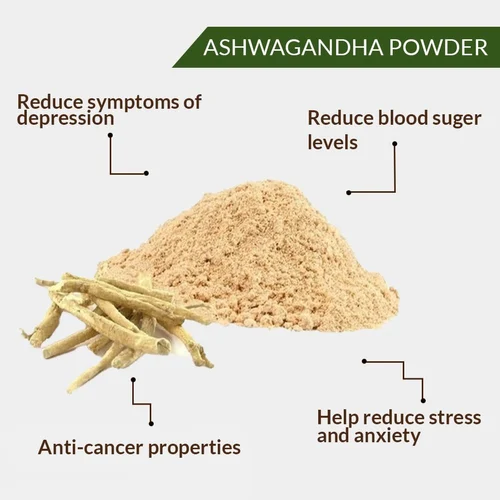
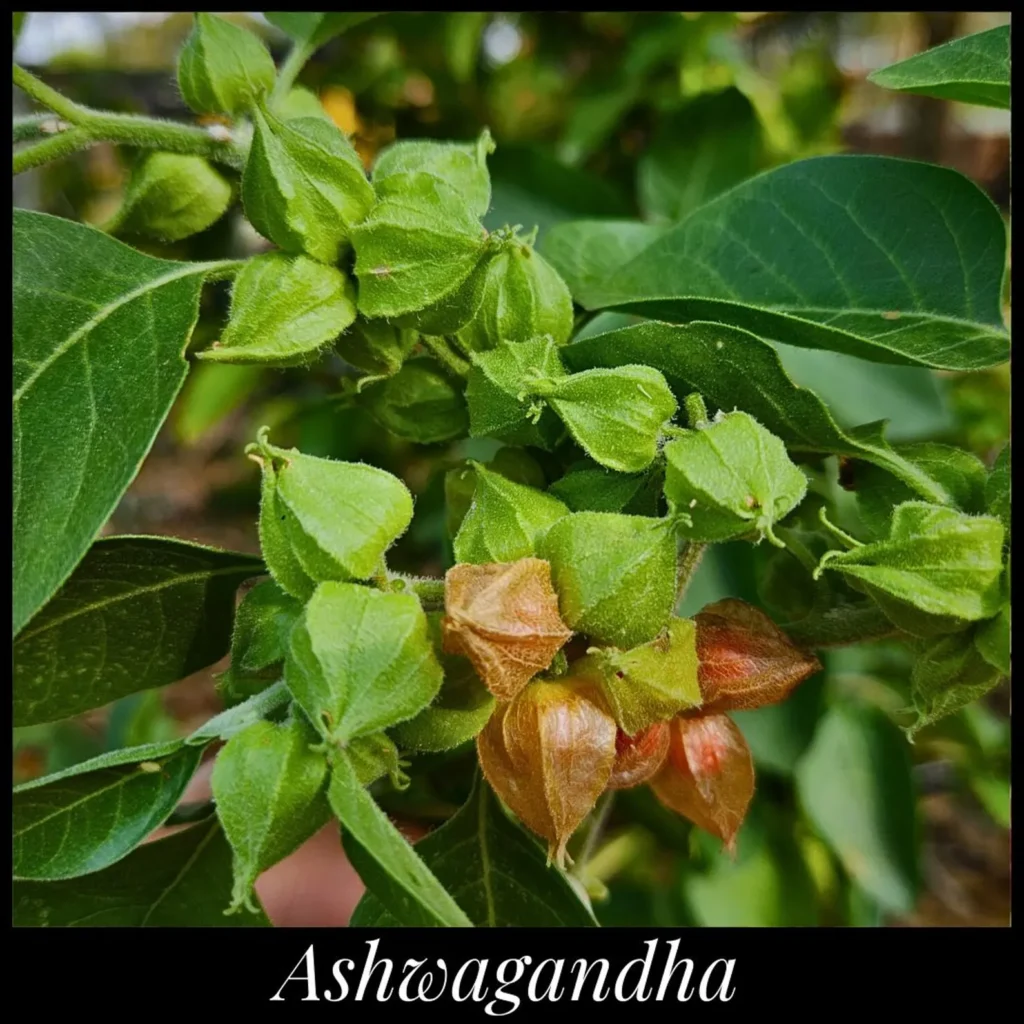
2. Scientific & Local Names
Scientific Name: Withania somnifera (L.) Dunal
Botanical Classification:
- Family: Solanaceae (Nightshade family)
- Genus: Withania
- Species: somnifera
Regional & Local Names:
- Sanskrit: Ashwagandha, Balya, Gandhapatri, Palashaparni
- Hindi: Asgandh, Punir, Nagori Asgandh
- English: Winter Cherry, Indian Ginseng, Poison Gooseberry
- Marathi: Askandha, Tilli
- Telugu: Penneroo, Vajigandha
- Tamil: Amukkuram, Samm Al Ferakh
- Gujarati: Ghoda Asoda, Asgandha
- Bengali: Ashwagandha
- Arabic: Kaknaje Hindi
- Persian: Mehre Munir
3. Brief Introduction – Historical Significance in Ayurveda
Withania somnifera (Ashwagandha) is a very revered herb of the Indian Ayurvedic system of medicine as a Rasayana (tonic) with over 3,000 years of documented use. Ashwagandha is a medicinal plant that has been used in Ayurvedic and indigenous medicine for over 3000 years.
The name “Ashwagandha” literally translates to “smell of horse” in Sanskrit, derived from “Ashwa” (horse) and “Gandha” (smell), referring to both its distinctive horse-like odor and the traditional belief that consuming it provides the vigor and strength of a horse. In classical Ayurvedic texts like Charaka Samhita and Sushruta Samhita, Ashwagandha is classified as a supreme Rasayana—a category of herbs that promote longevity, vitality, and overall well-being.
Ancient Ayurvedic practitioners prescribed Ashwagandha for a wide range of conditions including debility, insomnia, nervous exhaustion, and as a general tonic for enhancing physical and mental strength. It was particularly valued for its ability to help the body adapt to various stressors, making it one of the original “adaptogenic” herbs long before the term was coined in modern times.
4. Scientific Research – Current Studies and Evidence
Modern science has extensively validated many traditional uses of Ashwagandha through rigorous clinical trials and research studies.
Recent Research Highlights:
Stress and Anxiety Management: A standardized Ashwagandha root extract alleviates stress, anxiety, and improves quality of life in healthy adults by modulating stress hormones: Results from a randomized, double-blind, placebo-controlled study. Multiple studies have demonstrated significant reductions in cortisol levels (the stress hormone) by 23-27% in stressed adults.
Cognitive Function and Brain Health: Recent research covers its anti-microbial, anti-inflammatory, anti-stress, anti-tumor, cardioprotective, and neuroprotective properties. Studies show improvements in attention, information processing speed, and overall cognitive performance.
Sleep Quality: Ashwagandha extract appears to have a beneficial effect in improving sleep in adults, with clinical trials showing significant improvements in sleep onset time, sleep efficiency, and overall sleep quality.
Physical Performance: The benefits of ashwagandha (Withania somnifera) supplements on brain function and sports performance have been documented, with studies showing increased muscle mass, strength, and endurance in athletes.
Comprehensive Health Effects: Studies indicate ashwagandha possesses anti-inflammatory, antitumor, antistress, antioxidant, immunomodulatory, hemopoietic, and rejuvenating properties. It also appears to exert a positive influence on the endocrine, cardiopulmonary, and central nervous systems.
5. Health Benefits – Documented Uses and Effects
Primary Benefits (Strongly Evidence-Based):
1. Stress Reduction & Cortisol Management
- Reduces cortisol levels by 23-27%
- Decreases perceived stress scores significantly
- Helps maintain healthy stress response
2. Anxiety Relief
- Clinically proven to reduce anxiety symptoms
- Comparable effects to some pharmaceutical anxiolytics
- Promotes mental calmness without sedation
3. Sleep Quality Enhancement
- Improves sleep onset time
- Increases sleep efficiency and total sleep time
- Reduces night-time awakenings
4. Cognitive Function Support
- Enhances memory and attention
- Improves information processing speed
- Supports overall brain health and neuroprotection
5. Physical Performance & Strength
- Increases muscle mass and strength
- Enhances exercise performance and recovery
- Boosts energy levels and reduces fatigue
Secondary Benefits (Moderate Evidence):
6. Immune System Support
- Modulates immune response
- Increases white blood cell count
- Enhances overall immunity
7. Thyroid Function
- May support healthy thyroid hormone levels
- Particularly beneficial for subclinical hypothyroidism
8. Blood Sugar Management
- Helps maintain healthy glucose levels
- Improves insulin sensitivity
9. Heart Health
- Supports cardiovascular function
- May help maintain healthy cholesterol levels
10. Anti-Inflammatory Effects
- Reduces inflammatory markers
- Supports overall inflammatory balance
6. Dosage & Forms – How to Use Safely and Effectively
Standard Dosage Guidelines:
General Health & Stress Management: The recommended dosage for ashwagandha can vary depending on your needs, but most research suggests that taking 250–500 milligrams (mg) per day for at least one month may be beneficial.
Specific Conditions:
- Stress/Anxiety: Some research suggests that taking 250–600 mg per day can reduce stress
- Sleep Support: 300-500 mg taken 1-2 hours before bedtime
- Athletic Performance: 500-600 mg daily, divided into two doses
- Cognitive Support: Dr. Lin says dosing is usually 500 mg twice a day
Available Forms:
1. Root Powder (Traditional Form)
- Dosage: 1-6 grams daily
- Best taken: Mixed with warm milk, honey, or ghee
- Benefits: Most traditional form, cost-effective
2. Standardized Root Extract
- Dosage: 300-500 mg daily
- Standardization: The general recommendation is starting with 300 to 500 milligrams per day, with withanolides in a range of 5 percent to 10 percent
- Benefits: Consistent potency, easy to dose
3. Capsules/Tablets
- Dosage: Follow manufacturer instructions (typically 300-600 mg)
- Benefits: Convenient, no taste, precise dosing
4. Liquid Extracts/Tinctures
- Dosage: 1-3 ml daily (follow label instructions)
- Benefits: Fast absorption, easy to adjust dosage
5. KSM-66® (Premium Standardized Extract)
- Dosage: 300-600 mg daily
- Benefits: KSM-66 has been evaluated in 50+ “Gold Standard” clinical trials
Timing Recommendations:
- Morning: For energy and stress management
- Evening: For sleep support (taken 1-2 hours before bed)
- With meals: To minimize potential stomach upset
- Consistent timing: Same time daily for best results
7. Pros & Cons – Benefits vs. Potential Side Effects
Pros (Benefits):
✅ Clinically Proven Efficacy
- Extensive research backing with 50+ clinical trials
- Multiple peer-reviewed studies supporting traditional uses
✅ Natural Stress Management
- Effective alternative to pharmaceutical stress medications
- Addresses root cause rather than just symptoms
✅ Multiple Health Benefits
- Single herb with diverse therapeutic applications
- Supports various body systems simultaneously
✅ Generally Well-Tolerated
- Low incidence of side effects in healthy individuals
- Safe for long-term use when properly dosed
✅ Adaptogenic Properties
- Helps body adapt to various stressors
- Balances rather than forces physiological responses
✅ Cost-Effective
- Relatively affordable compared to prescription alternatives
- Available in various price ranges
Cons (Potential Side Effects & Limitations):
❌ Possible Side Effects:
- Drowsiness or sedation (especially at higher doses)
- Stomach upset or gastrointestinal discomfort
- Diarrhea (rare, usually with excessive doses)
- Skin rash (allergic reactions in sensitive individuals)
❌ Drug Interactions:
- May enhance effects of sedative medications
- Can interact with immunosuppressant drugs
- May affect thyroid medications
- Could influence blood sugar medications
❌ Contraindications:
- Pregnancy and breastfeeding (safety not established)
- Autoimmune conditions (may stimulate immune system)
- Scheduled surgeries (may affect anesthesia)
- Hyperthyroidism (may worsen symptoms)
❌ Quality Concerns:
- Supplement industry variability in quality
- Risk of contamination or adulteration
- Inconsistent potency between brands
❌ Individual Variation:
- Effects may take 4-12 weeks to manifest fully
- Response varies significantly between individuals
- May not be effective for everyone
8. Market Availability – Where to Buy, What to Look For
Where to Purchase:
Online Retailers:
- Amazon, iHerb, Vitacost, Swanson
- Direct from manufacturer websites
- Specialized supplement retailers
Physical Stores:
- Health food stores and pharmacies
- Ayurvedic medicine shops
- Grocery stores (supplement sections)
- Big box retailers (Walmart, Target, Costco)
Professional Channels:
- Healthcare practitioner offices
- Compounding pharmacies
- Clinical nutrition centers
What to Look For When Buying:
Quality Indicators:
- Organizations like the USP (United States Pharmacopeia), NSF (National Sanitation Foundation) or IFOS (International Fish Oil Standards) guarantee that the product has been tested and meets quality standards
- Third-party testing certificates
- GMP (Good Manufacturing Practice) certification
- Organic certification when available
Standardization:
- Look for “standardized extract” on labels
- Withanolide content should be specified (5-10%)
- Root extract preferred over leaf extract
Reputable Brands:
- KSM-66 Ashwagandha can be found in more than 4000 products in over 53+ countries
- Sensoril®, NutraGenesis®
- Established supplement companies with good reputations
Price Ranges:
- Basic powder: $15-30 per pound
- Standardized extracts: $20-50 per bottle (60-90 capsules)
- Premium extracts (KSM-66): $25-60 per bottle
9. Quality Guidelines – Best Forms, Certifications, Storage
Best Forms for Different Needs:
For Beginners:
- Standardized root extract capsules (300-500 mg)
- Easy to dose, predictable effects
- Look for 5% withanolide standardization
For Traditional Use:
- Organic root powder
- Mix with warm milk and honey
- More cost-effective for long-term use
For Maximum Potency:
- KSM-66® or Sensoril® extracts
- Higher bioavailability and research backing
- Premium pricing but superior quality assurance
Essential Certifications:
Mandatory Certifications:
- Look for supplements that have been independently tested
- USP Verified or NSF International certification
- GMP (Good Manufacturing Practice) compliance
- ISO certification for international standards
Preferred Certifications:
- USDA Organic (for powder forms)
- Non-GMO Project Verified
- Gluten-free certification (if sensitive)
- Vegan certification (for capsules)
Red Flags to Avoid:
- No third-party testing mentioned
- Unrealistic health claims
- Extremely low prices (potential quality issues)
- No contact information or transparency
Storage Guidelines:
Optimal Storage Conditions:
- Temperature: Room temperature (68-77°F)
- Humidity: Low humidity environment
- Light: Store in dark place, away from direct sunlight
- Container: Airtight container, original packaging preferred
Shelf Life:
- Powder form: 2-3 years when stored properly
- Capsules/tablets: 2-4 years (check expiration dates)
- Liquid extracts: 1-2 years, refrigerate after opening
Storage Tips:
- Keep away from kitchen heat and bathroom humidity
- Use desiccant packets in humid climates
- Never store in car or garage (temperature fluctuations)
- Check for signs of moisture, mold, or off-odors regularly
10. Verified References – Links to Peer-Reviewed Studies
Primary Research Sources:
- Comprehensive Review (2023): Ashwagandha (Withania somnifera)—Current Research on the Health-Promoting Activities: A Narrative Review – PMC
- Sports Performance Study (2024): The benefits of ashwagandha (Withania somnifera) supplements on brain function and sports performance – Frontiers
- Sleep Meta-Analysis: Effect of Ashwagandha (Withania somnifera) extract on sleep: A systematic review and meta-analysis – PubMed
- Foundational Research: Scientific basis for the therapeutic use of Withania somnifera (ashwagandha): a review – PubMed
- Traditional Medicine Overview: An Overview on Ashwagandha: A Rasayana (Rejuvenator) of Ayurveda – PMC
Professional Health Resources:
- NIH Office of Dietary Supplements: Ashwagandha: Is it helpful for stress, anxiety, or sleep? – Health Professional Fact Sheet
- MedlinePlus: Ashwagandha: MedlinePlus Supplements
- WebMD Professional: ASHWAGANDHA: Overview, Uses, Side Effects, Precautions, Interactions, Dosing and Reviews
Clinical Research Database:
- Examine.com Evidence Summary: Ashwagandha benefits, dosage, and side effects
- KSM-66 Research: KSM-66 Clinical Studies – 50+ Gold Standard clinical trials
11. Medical Disclaimer
Important Medical Disclaimer:
This information is provided for educational purposes only and is not intended to replace professional medical advice, diagnosis, or treatment. Data on the serious adverse effects of Ashwagandha extract are limited, and more safety data would be needed to assess whether it would be safe for long-term use.
Before using Ashwagandha, consult with a qualified healthcare provider if you:
- Are pregnant, breastfeeding, or planning to become pregnant
- Have any existing medical conditions (especially autoimmune disorders, thyroid conditions, diabetes, or heart conditions)
- Are taking prescription medications (especially immunosuppressants, sedatives, or thyroid medications)
- Are scheduled for surgery within two weeks
- Have allergies to plants in the nightshade family
Seek immediate medical attention if you experience:
- Severe allergic reactions (rash, difficulty breathing, swelling)
- Unusual drowsiness or sedation
- Severe gastrointestinal symptoms
- Any concerning side effects
Quality and Safety:
- Only purchase from reputable manufacturers
- Dr. Lin says it mostly depends on the quality of the supplements
- Start with lower doses to assess individual tolerance
- Discontinue use and consult healthcare provider if adverse effects occur
Always prioritize professional medical guidance over supplement use for serious health conditions. This article does not constitute medical advice and should not be used as a substitute for consultation with qualified healthcare professionals.
Last Updated: July 2025
Next Review Date: January 2026
About the Author: This article was researched and compiled using current scientific literature and peer-reviewed studies. All health claims are supported by published research from reputable medical journals and institutions.